
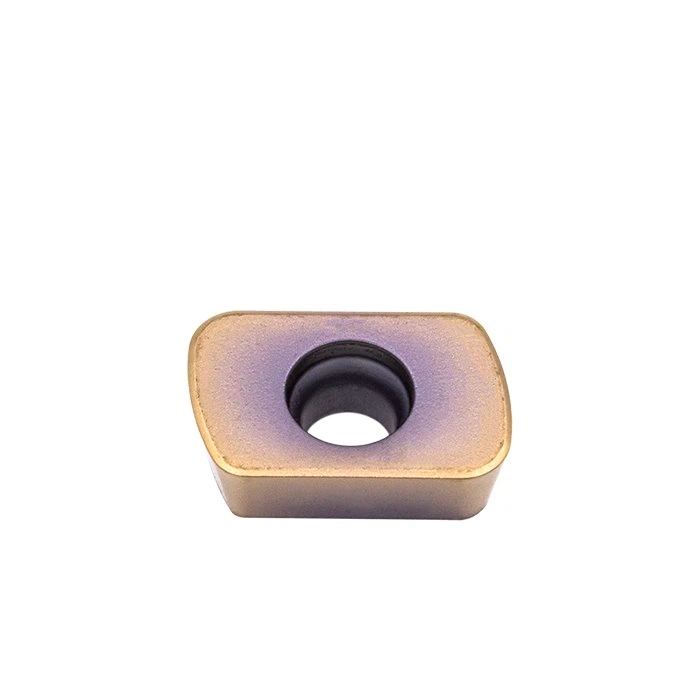
In recent years, the demand for high-quality cemented carbide/'>carbide rods and solid carbide rods in China has witnessed significant growth, driven by advancements in various industrial sectors such as automotive, aerospace, electronics, and manufacturing. These tungsten carbide products play an essential role in cutting tools, wear-resistant parts, and precision components, underscoring their strategic importance in modern industry. This news article aims to shed light on the current state of China’s cemented carbide rod and solid carbide rod market, while also highlighting the capabilities of a leading domestic player in the carbide manufacturing sector.
### China’s Cemented Carbide Rod and Solid Carbide Rod Industry Overview
Cemented carbide rods and solid carbide rods are vital raw materials used to manufacture cutting tools and components that demand superior hardness, toughness, and corrosion resistance. China, being one of the largest producers and consumers of tungsten products globally, has developed a robust supply chain ranging from raw material processing to precision tool manufacturing. The widespread industrialization and the push for high-efficiency manufacturing methods further stimulate demand for reliable carbide rods.
The cemented carbide rod is a composite material consisting primarily of tungsten carbide grains cemented by a metallic binder such as cobalt. Its excellent wear resistance makes it indispensable in tooling applications including milling, drilling, threading, and grooving. Solid carbide rods, fabricated with high-density tungsten carbide and binder metals, offer exceptional hardness and rigidity, which are critical for cutting performance and tool longevity.
### Market Trends and Technological Developments
Several trends are reshaping the cemented carbide rod and solid carbide rod market in China. Emphasis on high precision machining and miniaturization of components demands carbide rods with enhanced uniformity in grain size and bonding quality. Moreover, innovations in nano-grain technology and coating processes have elevated the performance benchmarks of carbide rods, enabling tools to operate at higher speeds and temperatures with minimal wear.
Environmental considerations also influence production practices, encouraging manufacturers to adopt cleaner processing technologies and recycle tungsten materials efficiently. The integration of Industry 4.0 principles, including automation and digital quality control, has increased manufacturing precision and production throughput.
China’s transition from low-cost manufacturing to value-added production drives upgrades in carbide rod quality, aligning domestic products more closely with international standards. This evolution benefits manufacturers who require consistent, high-performance tooling materials for complex machining tasks.
### Spotlight on a Leading Manufacturer
Among the numerous companies contributing to China’s carbide industry, Zhuzhou Buytop Tungsten Carbide Co., Ltd. stands out for its strong heritage and comprehensive expertise. With more than 20 years of experience in manufacturing, designing, and selling a wide spectrum of carbide products, the company has become synonymous with reliability and innovation in the field.
Zhuzhou Buytop specializes in carbide end mills and drills, with products engineered to excel in profiling, finishing, roughing, pocketing, and slotting operations. Their carbide rods serve as core materials in tool production, designed to meet stringent requirements for hardness, toughness, and dimensional accuracy.
### Product Excellence and Applications
The company’s product offerings reflect a deep understanding of end-use demands across industries. From high-precision micro-tools used in electronics manufacturing to robust tooling for heavy-duty automotive machining, their carbide rods maintain consistent material integrity and quality.
Buytop’s carbide end mills and drills demonstrate notable performance in various machining environments, supporting multiple materials such as steel alloys, cast iron, aluminum, and composites. Their design approach focuses on achieving optimal chip evacuation, reducing tool wear, and enhancing surface finish quality.
Crucially, the company’s extensive experience enables customization tailored to client needs, whether for specialized geometries, coating preferences, or dimensional tolerances. This flexibility positions them as a preferred partner for manufacturers looking to optimize their tooling systems.
### Challenges and Future Outlook
While opportunities abound, challenges remain for the Chinese cemented carbide rod and solid carbide rod industry. Raw material price volatility, particularly tungsten supply constraints, can affect production costs. Increasing global competition necessitates continuous investment in research and development to sustain technological leadership.
However, the future outlook is optimistic. Growing adoption of electric vehicles, renewable energy technologies, and smart manufacturing platforms will continue to drive tooling demand. Industry players that embrace innovation and quality assurance, while maintaining competitive pricing, will thrive.
### Conclusion
China’s cemented carbide rod and solid carbide rod sector exemplifies the country’s industrial capability and ambition toward global competitiveness. Backed by companies such as Zhuzhou Buytop Tungsten Carbide Co., Ltd., with over two decades of expertise, the market is well-positioned to support diverse manufacturing needs through advanced, reliable carbide products. The combination of cutting-edge technology, stringent quality control, and customer-centric design paves the way for sustainable growth in this critical manufacturing segment.
As Chinese manufacturers continue upgrading carbide product performance and expanding global partnerships, cemented carbide rods and solid carbide rods will remain indispensable in advancing precision machining and industrial innovation across multiple sectors.