
In the rapidly evolving field of machining, the demand for high-performance tools that deliver precision, durability, and efficiency continues to rise. CNC turning inserts, a critical component in modern turning operations, have undergone significant advancements to meet the stringent requirements of various industries. These inserts are essential for shaping metal parts on CNC lathes, enabling manufacturers to achieve complex geometries with exceptional accuracy and surface finish.
CNC turning inserts play a pivotal role in the manufacturing sector, especially in automotive, aerospace, mold making, and general engineering industries. The development and refinement of these inserts have been driven by the need to enhance cutting speeds, extend tool life, and reduce downtime during production. By utilizing specialized materials and innovative designs, manufacturers can now achieve higher productivity and better cost efficiency.
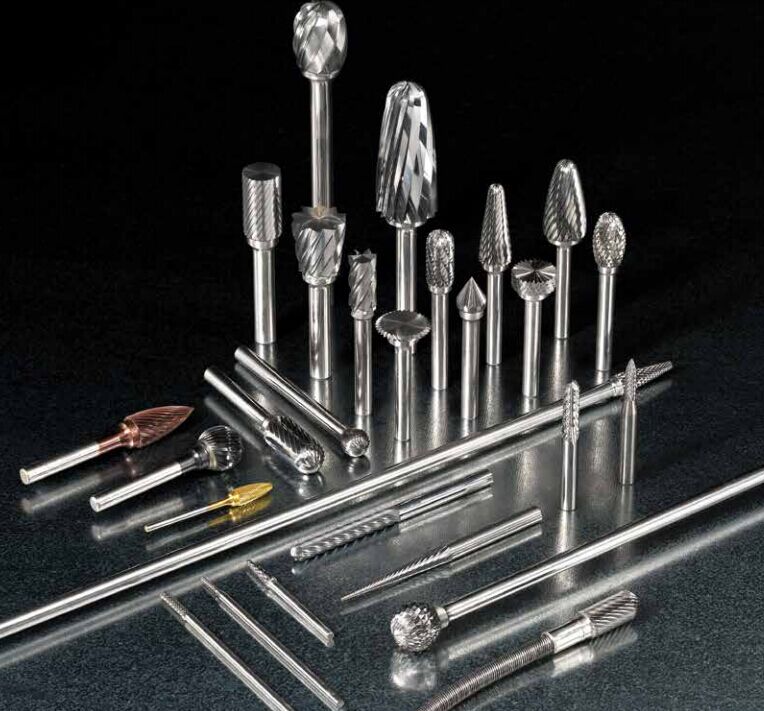
One company at the forefront of carbide/'>carbide tooling innovation is Zhuzhou Buytop Tungsten Carbide Co., Ltd. With over 20 years of experience in the manufacture, design, and sale of various kinds of carbide products, Zhuzhou Buytop has built a solid reputation for quality and reliability. Their carbide end mills and drills are specifically designed to excel in profiling, finishing, roughing, pocketing, and slotting operations across a wide range of materials, demonstrating their commitment to meeting diverse machining demands.
**Material Innovation for Enhanced Performance**
The core of any turning insert’s performance lies in its substrate and coating. Tungsten carbide remains the preferred material due to its exceptional hardness and wear resistance. Zhuzhou Buytop leverages advanced tungsten carbide grades that are finely tuned for different machining scenarios. Whether cutting hardened steel, stainless steel, cast iron, or superalloys, the precise composition and grain size optimization ensure that the inserts maintain their integrity under extreme conditions.
Alongside the carbide substrate, state-of-the-art coatings further enhance the cutting performance. Multi-layered coatings composed of materials such as titanium nitride (TiN), titanium carbonitride (TiCN), and aluminum oxide (Al2O3) reduce friction, increase thermal stability, and improve oxidation resistance. These coatings allow turning inserts to operate at higher cutting speeds and longer tool life, which translates into faster production cycles and less frequent tool changes.
**Design Innovations to Support Complex Applications**
Beyond materials, the geometry of CNC turning inserts has seen significant improvements to cater to complex and high-precision machining operations. Inserts are now designed with optimized chip breakers, rake angles, and edge preparations to facilitate efficient chip evacuation and reduce cutting forces. Such designs minimize tool wear and the risk of built-up edges, which can adversely affect surface quality.
Furthermore, the variety of insert shapes and sizes enables machining engineers to select the most suitable tool for their specific application, whether it’s facing, threading, grooving, or profiling. Round, square, triangular, and diamond-shaped inserts provide versatility in achieving different cutting paths and angles, enhancing the ability to produce intricate features without compromising on cycle time or finish quality.
**Supporting a Wide Spectrum of Materials and Industries**
The adaptability of CNC turning inserts is critical in industries that deal with a broad spectrum of materials. Zhuzhou Buytop’s experience in developing carbide end mills and drills for multiple machining operations underscores their capability in addressing complex machining challenges. Whether working with tough alloys in aerospace or high-speed production runs in automotive manufacturing, the inserts developed meet the rigorous standards required for safety, reliability, and performance.
In mold making and general engineering, precision and surface finish are paramount. Here, carbide inserts with fine edge preparations and sharp cutting geometries help achieve tight tolerances and mirror finishes, which are essential for high-quality molds and precision components. The ability to maintain tool integrity even during prolonged operations ensures consistent results and reduces costly rework.
**Commitment to Quality and Customer Support**
A key factor contributing to the prominence of companies like Zhuzhou Buytop in the carbide tooling market is their dedication to quality control and customer service. Each carbide product undergoes stringent testing and inspection to guarantee performance and durability. Moreover, the company’s technical support team assists customers in selecting the optimal insert types and grades based on the specific machining requirements, material types, and operational parameters.
This collaborative approach helps clients optimize their manufacturing processes, improve throughput, and maximize tool life, leading to cost-effective production. Continuous research and development efforts ensure that the product portfolio evolves with advancing technological trends, maintaining leadership in providing cutting-edge carbide tooling solutions.
**Conclusion**
The evolution of CNC turning inserts is instrumental in driving productivity and precision in modern machining operations. Through the integration of advanced materials, innovative designs, and comprehensive support, these tools have elevated the capabilities of CNC turning centers across industries. The expertise and experience of companies such as Zhuzhou Buytop Tungsten Carbide Co., Ltd., with their extensive range of carbide products designed for diverse applications, ensure that manufacturers have access to high-quality, reliable tooling solutions that meet the demands of today’s competitive production environments.
As industries continue to push the boundaries of engineering and manufacturing, the continuous improvement in CNC turning inserts will remain a crucial factor in enabling complex machining tasks, reducing costs, and enhancing overall operational efficiency.